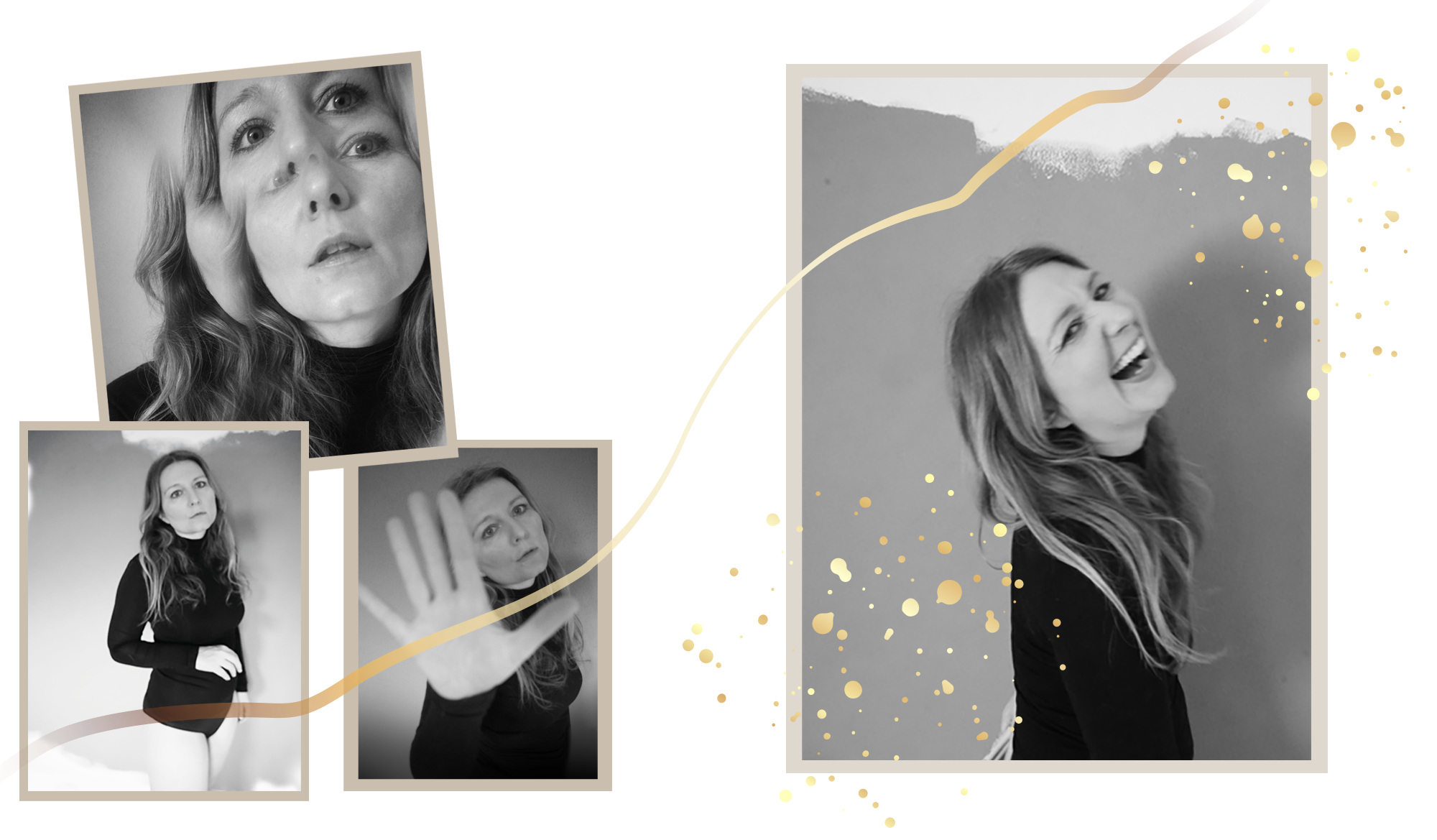







When I was a child, my life seemed perfectly fine from the outside. I was shy, highly intelligent, good at school — playing and creating for hours on my own.
But this was only one part of me. It was the part that learned to function inside an environment that was anything but safe. I grew up within patterns I did not yet have words for — patterns that shaped how I perceived closeness, danger, trust, and love.
I lived through sexual and emotional abuse for years, through dissociation and illness, through chronic fatigue that brought my teenage body close to stillness. By the time I was twenty, I had already rebuilt myself more than once.
What marked me most was not only the trauma itself. It was the silence surrounding it — the way an atmosphere can teach you to normalize what should never be normal.
As a young mother, I witnessed what no parent should ever see: my own children experiencing what I had once endured. The circumstances were different, and they were not alone. Others were affected too, yet the core was painfully familiar. Something could have broken us there. But it didn’t.
The deepest wound was, once more, not only the act of violence, but the landscape that formed around it, the silence, the disbelief, the pressure to remain quiet, the way truth becomes dangerous when others depend on denying it.
This part, the secondary traumatization that follows violence, is rarely spoken about, yet its effects often reach further than the original act.